“Bonsai are the athletes of the horticultural world"
Bonsai are athletes. And with all athletes, success necessitates a finely tuned and controlled environment to shape the muscles needed. No roots = no foliage. Good equipment with which to train the bonsai athlete is not only beneficial but in many cases a requirement for healthy athletic growth.
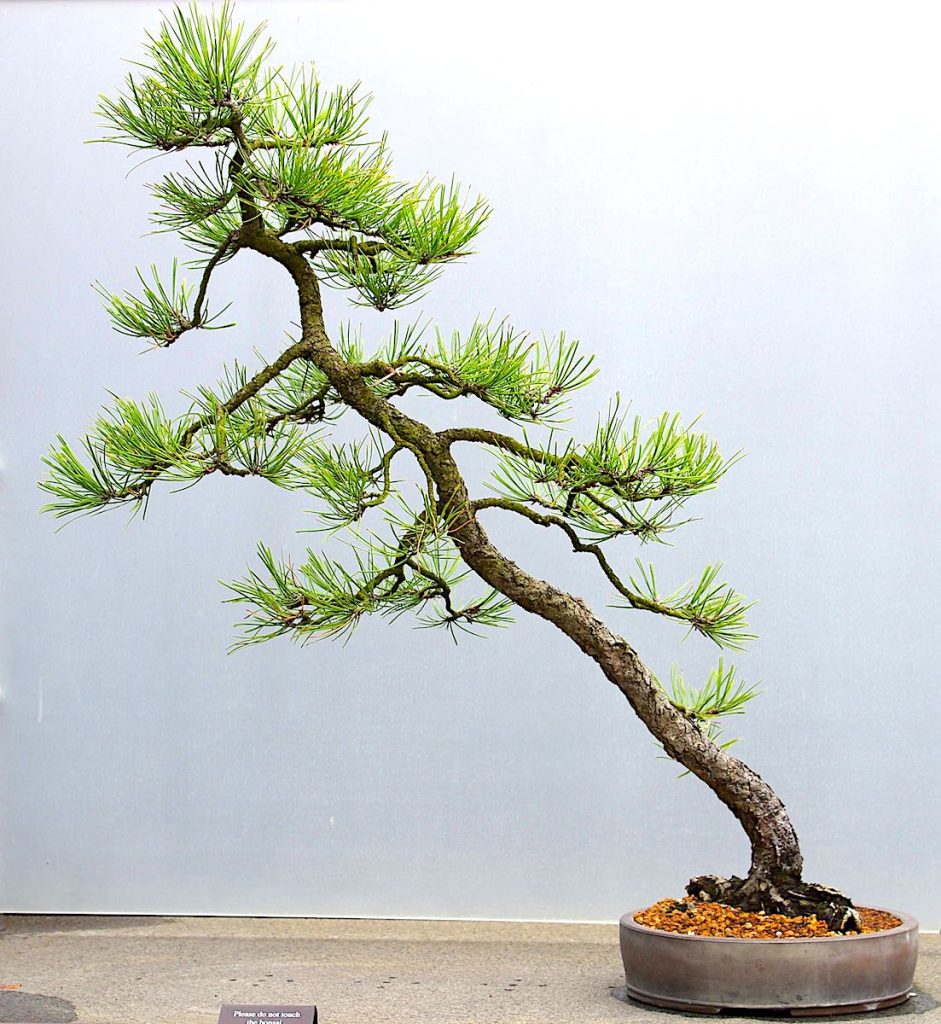
There is a difference between track running shoes, long-distance running shoes and quality dress shoes. While all go on the feet, ultimate success starts at the beginning of training – the roots, and in the case of bonsai athletes, success is based on the right shoe for the right substrate, that works with the roots, applied in the right environment for the desired objective. This is bonsai. Part of what is done ‘as we bonsai’.
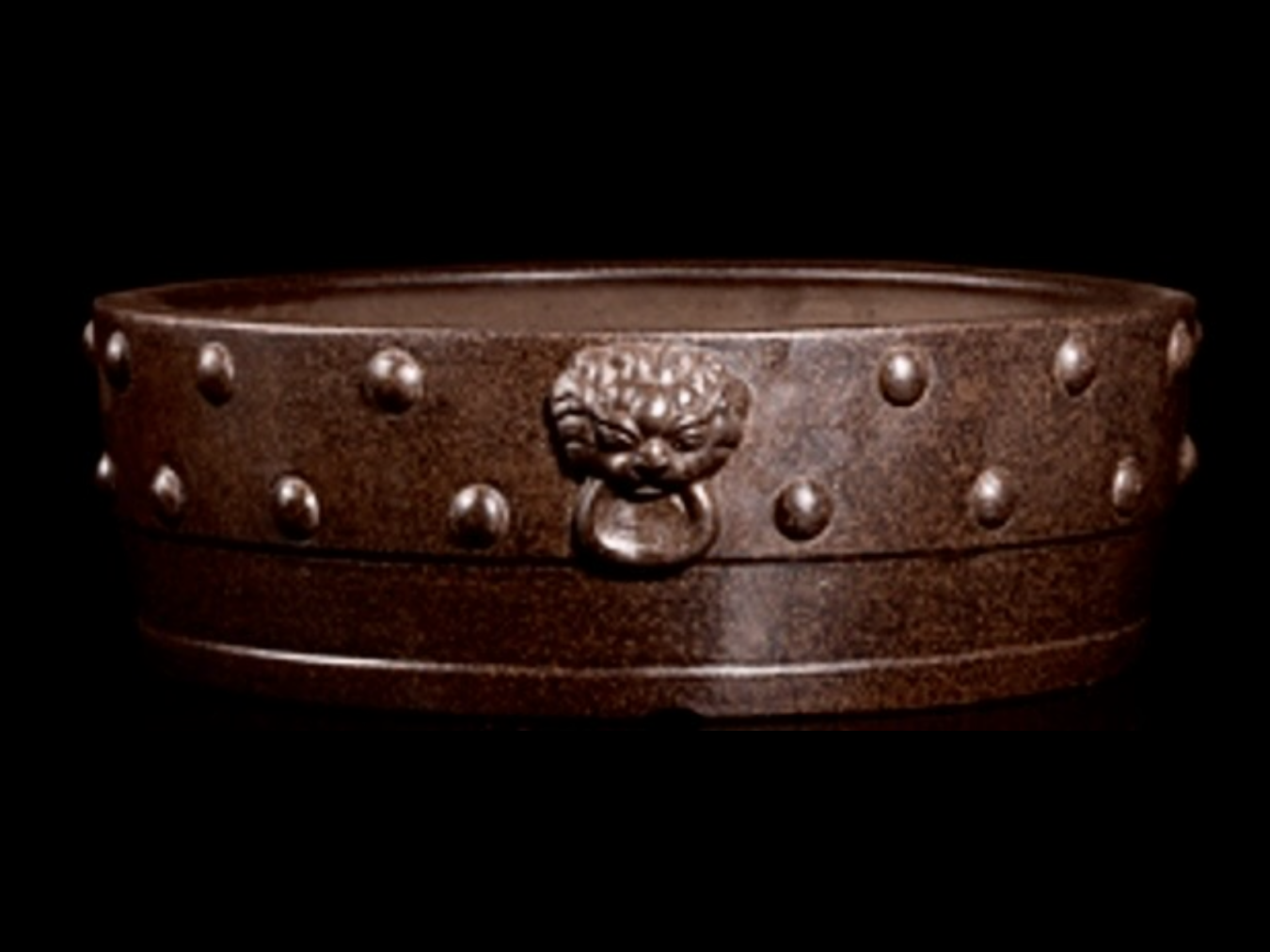
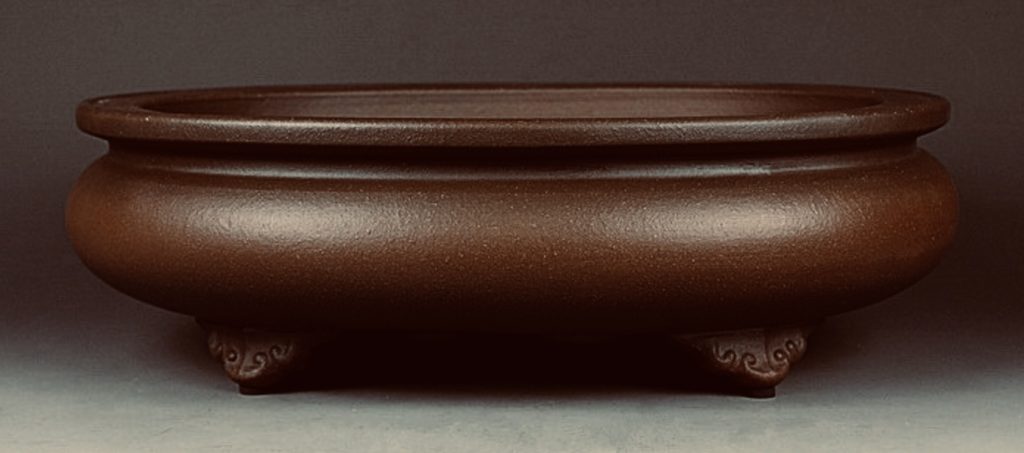
~ the famous, much celebrated primary colours of Yixing Purple Sand clays predate Tokoname kilns with a quality of clay, that, in the teapots, the minerals subtly infuse into the taste of your tea.
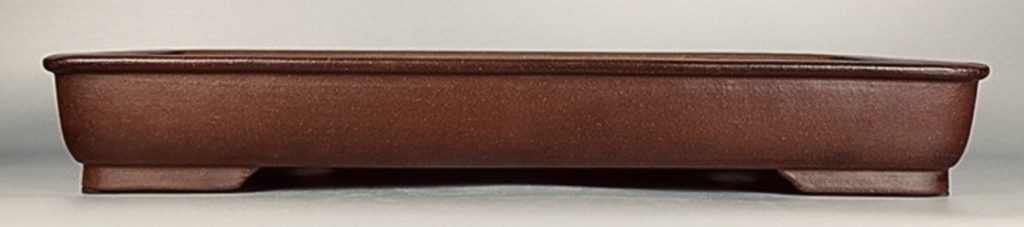
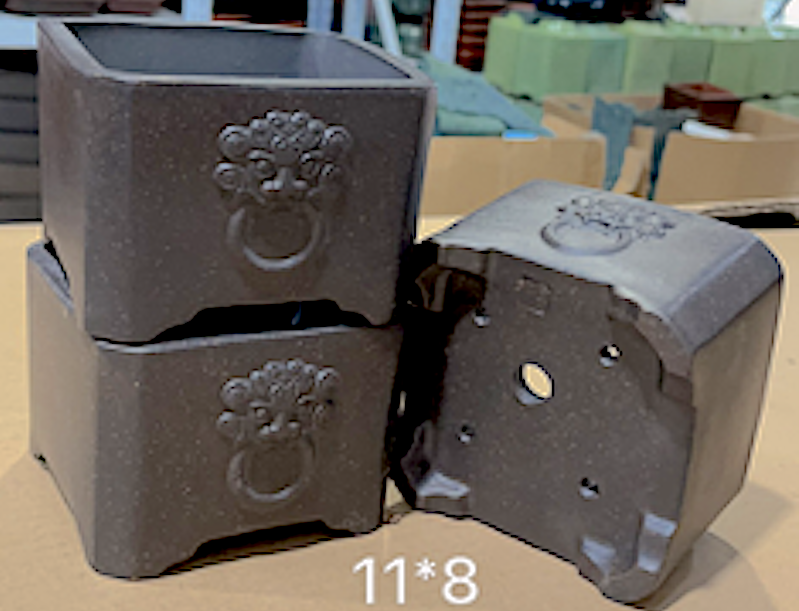
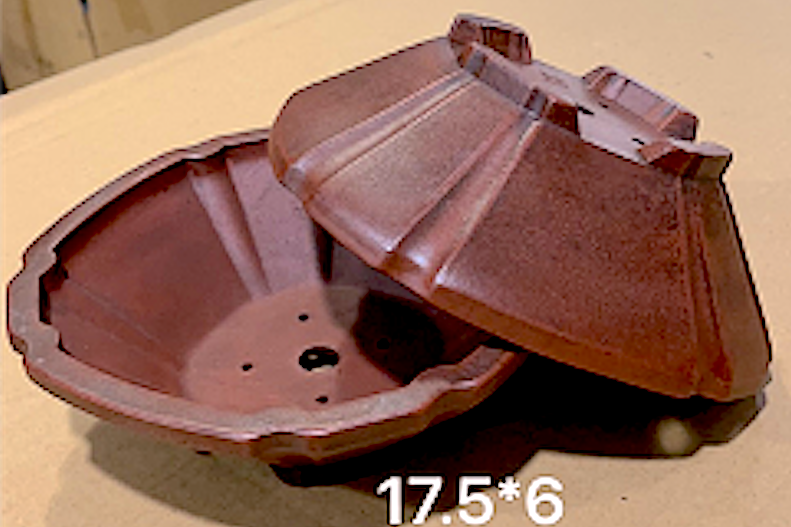
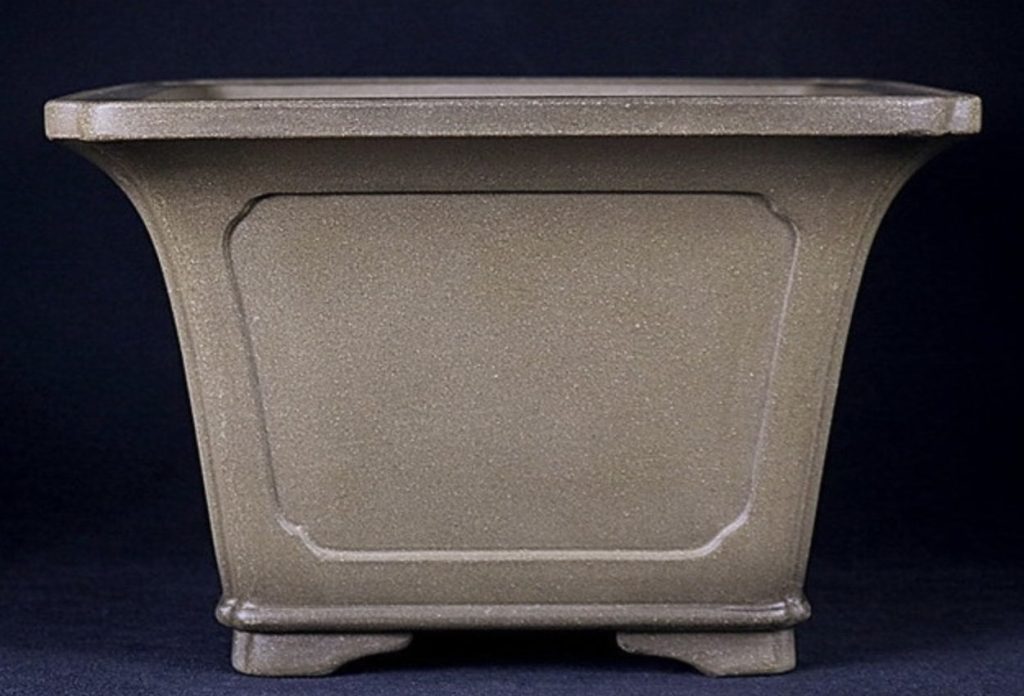
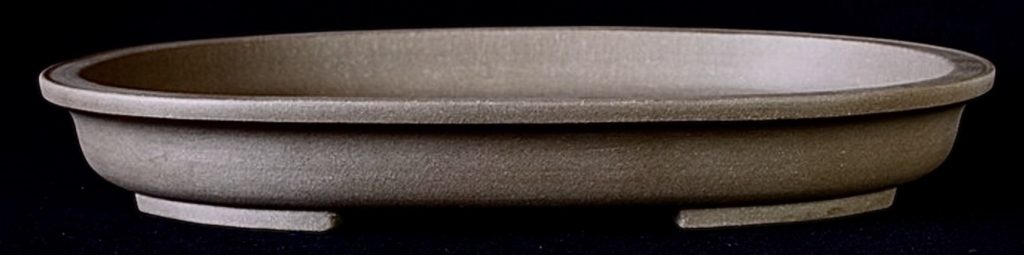
~ "as with tea, so with bonsai", the quality of the clay makes a difference as minerals in clay respond with tree roots as does porosity, colour & texture for cooler root temperatures ~ some interiors are kept rough to redirect root circling.
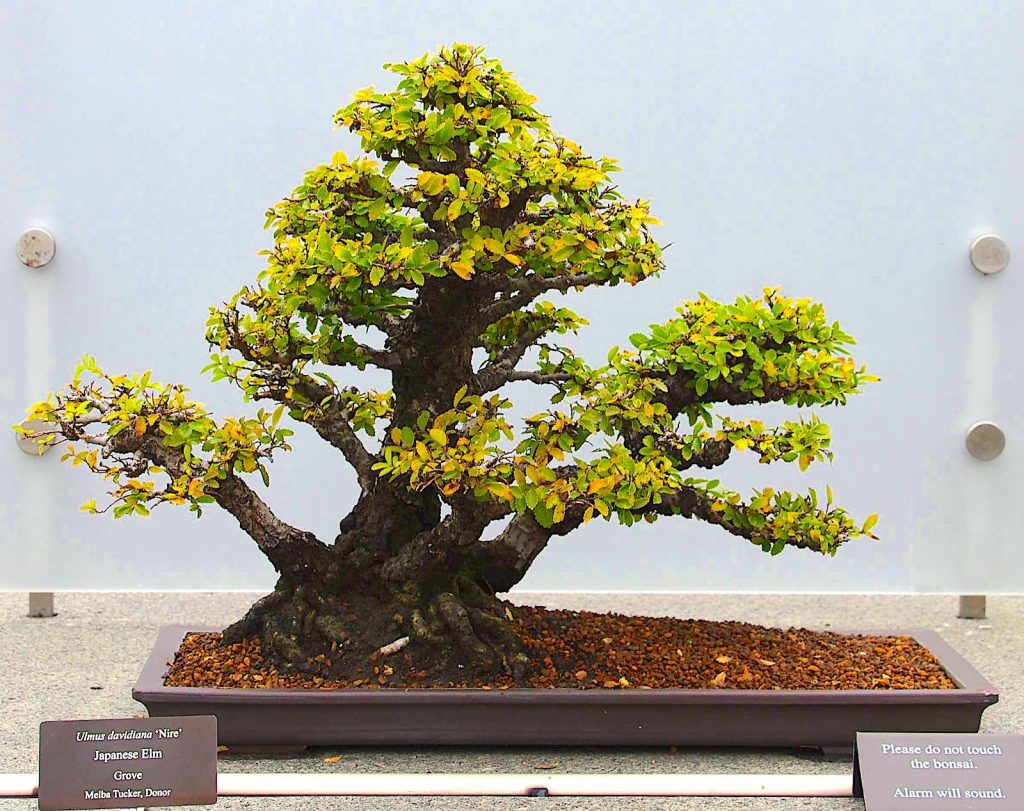
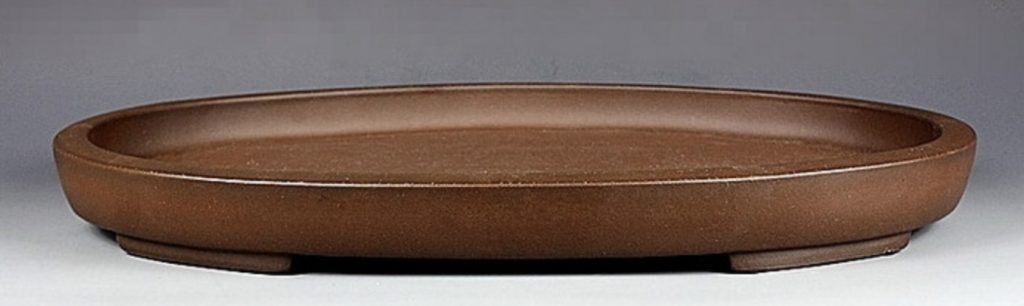
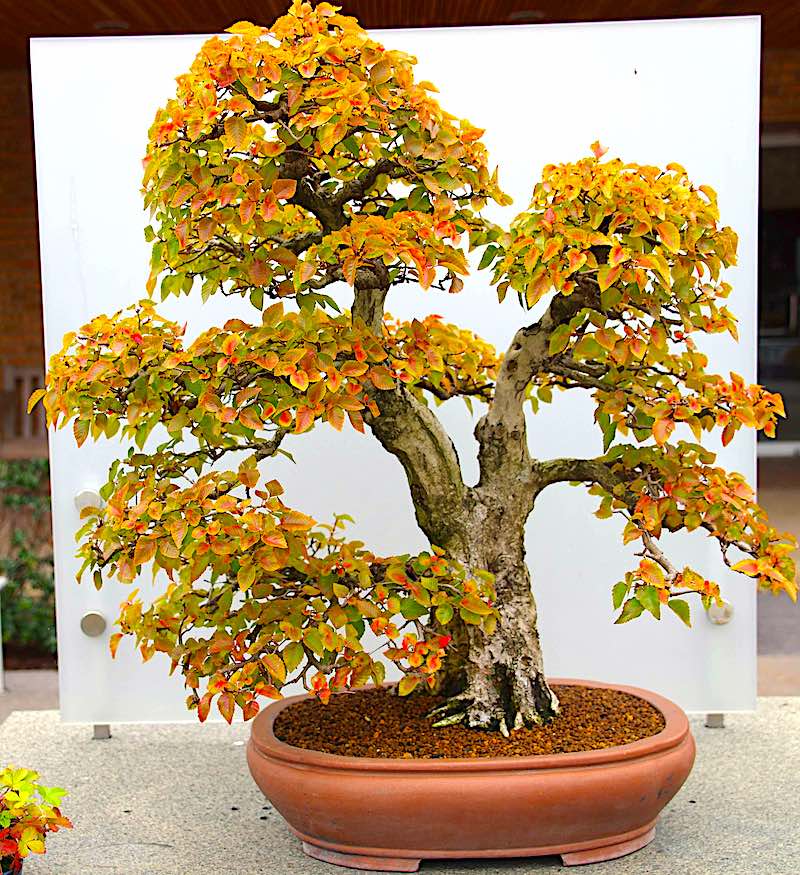
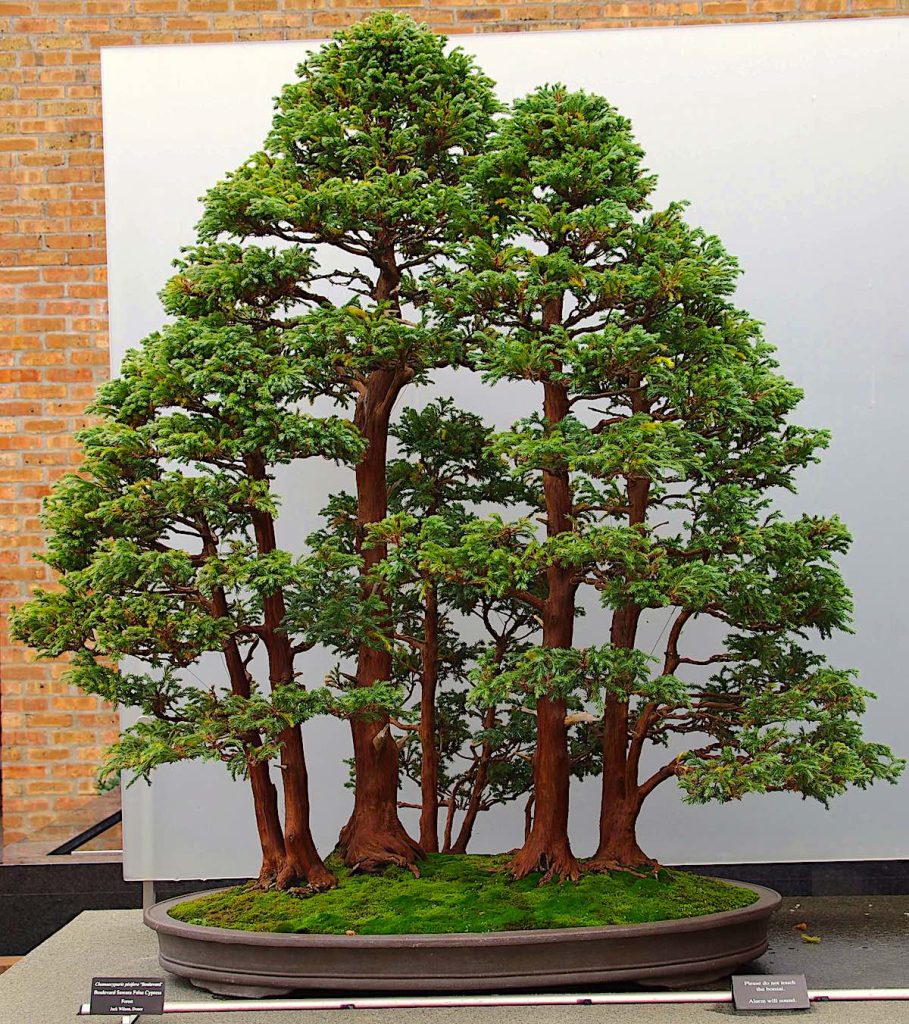
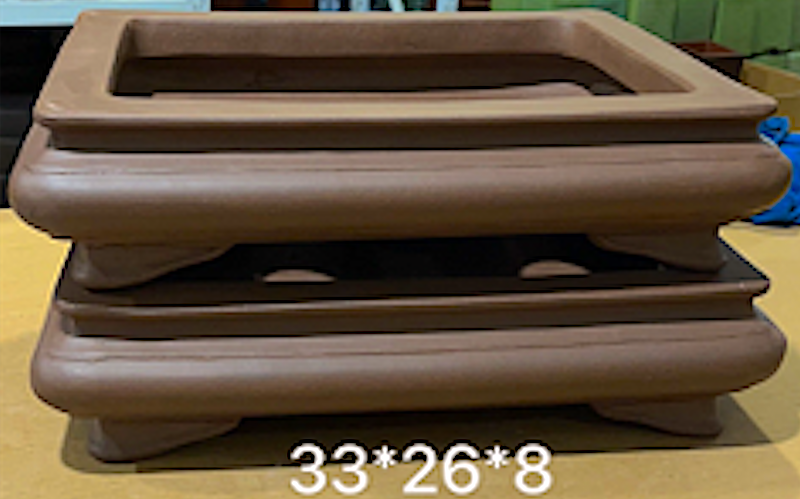
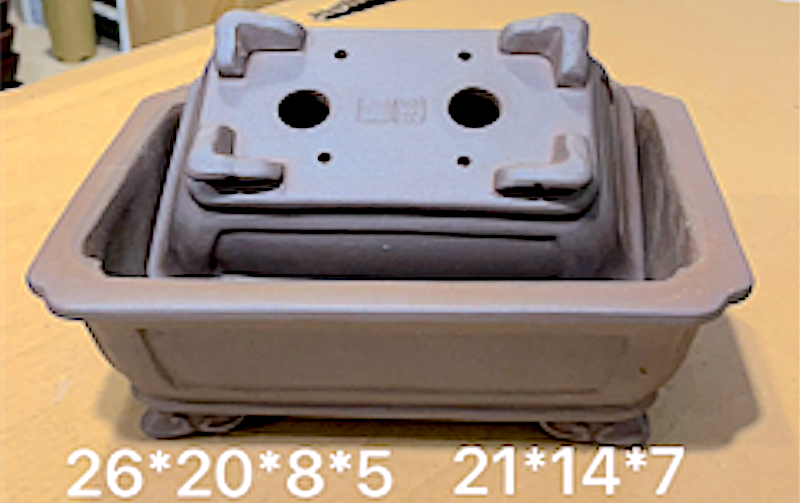
selecting containers to suit the tree features as well as train spreading roots for individual treessoftened edge oval or rectangular with corners
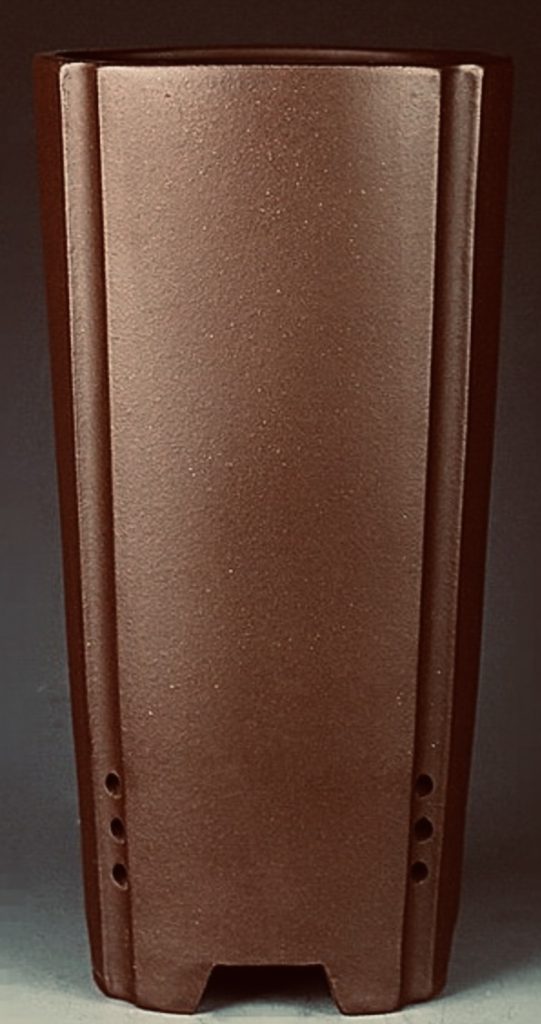
Literati or bunjin bonsai design revolves around the notion that the knowledge of the Literati 'Scholar', bonsai as person, is in the top of their head as being closest to heaven ~ the triangle shape ~ and the life of the Scholar is represented in the life-line twists and turns
~ containers for literati ~ scholars reflect the tree in its line and unique portion of the form, and reflect the personality of the Literati person represented ~
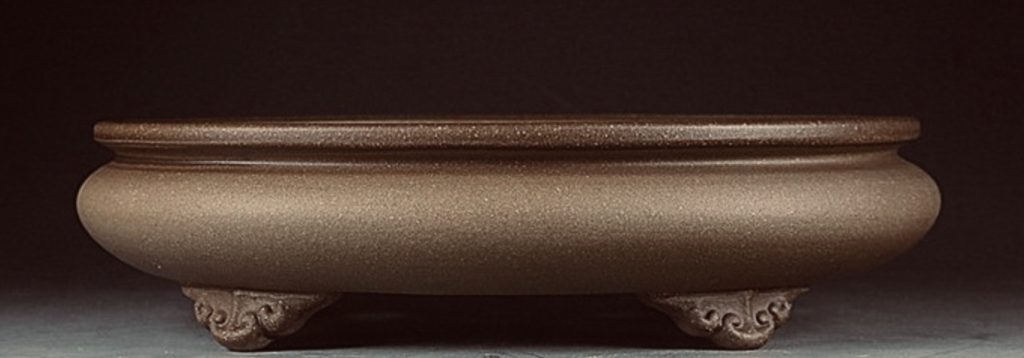
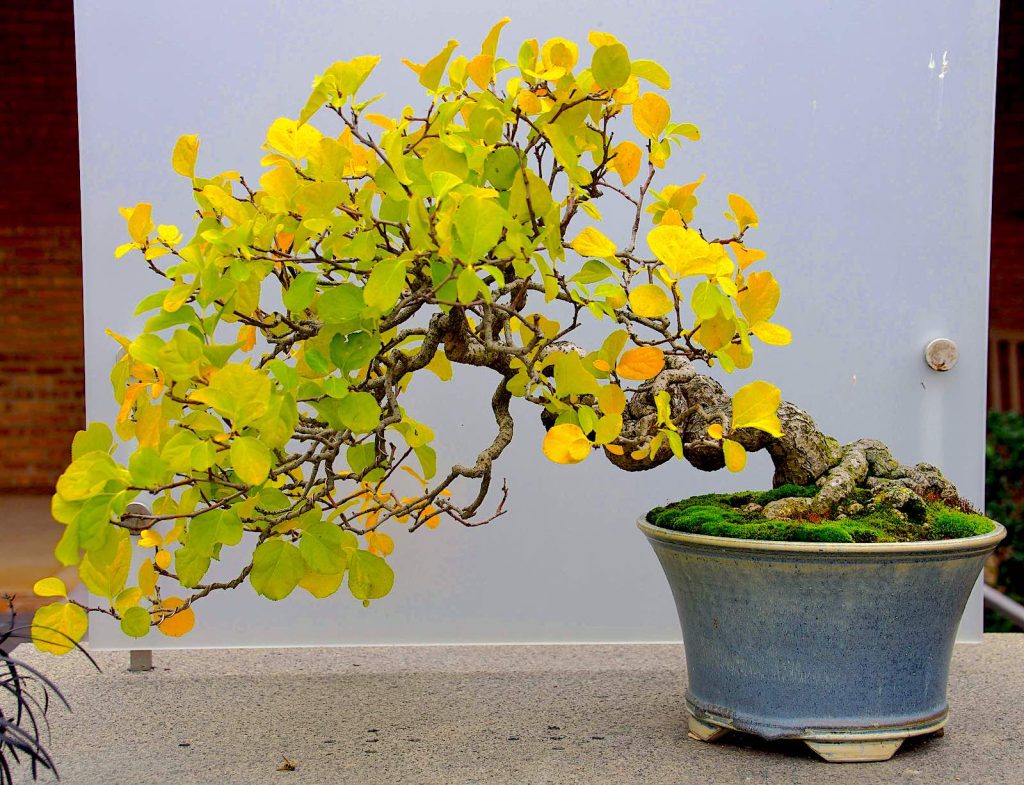
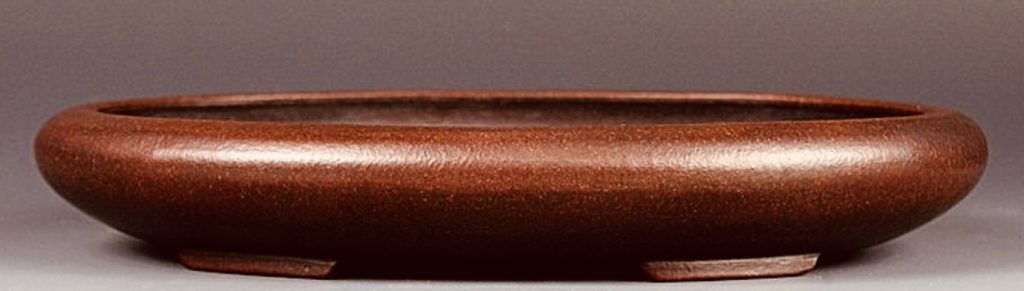
~here, the effect of a narrowed base and wider upper bag with a narrower lipped cinch gives an uplifting movement (deciduous), as compared to the stable grounded cloud feet on the right often used with conifers`
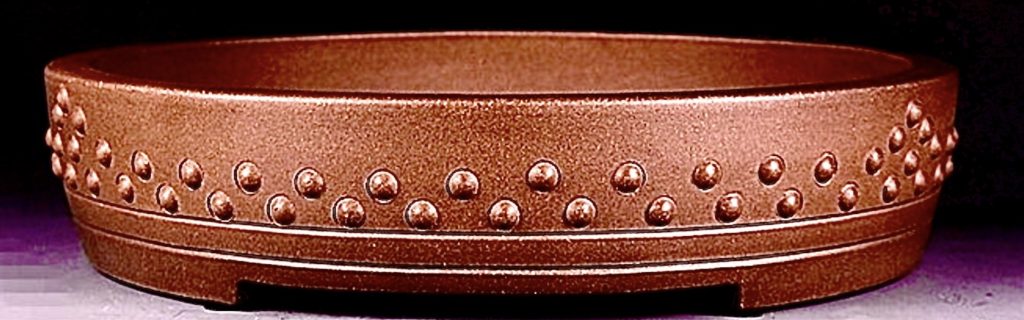
~ small differences of mass, colour, strength of the lip; the depth of the belly (as a cinched bag type), make an aesthetic difference, shifting the focus as a frame for your bonsai, ~ that is matched with the type of substrate soil + root volume that determines the most important critical part of successful bonsai, the wet dry cycling that keeps bonsai alive ~
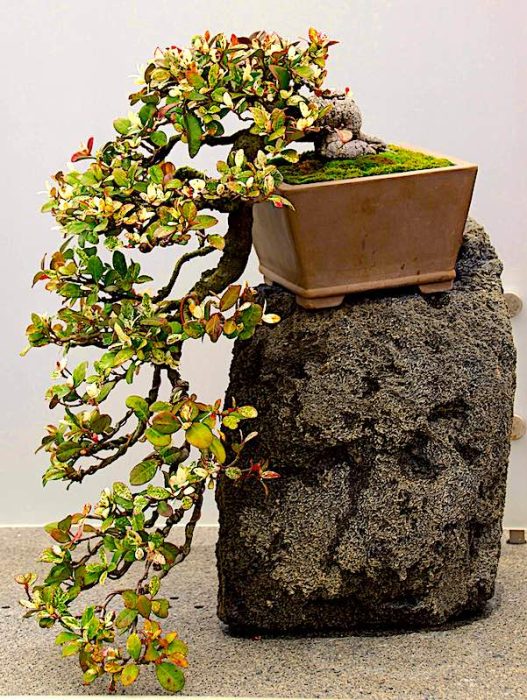
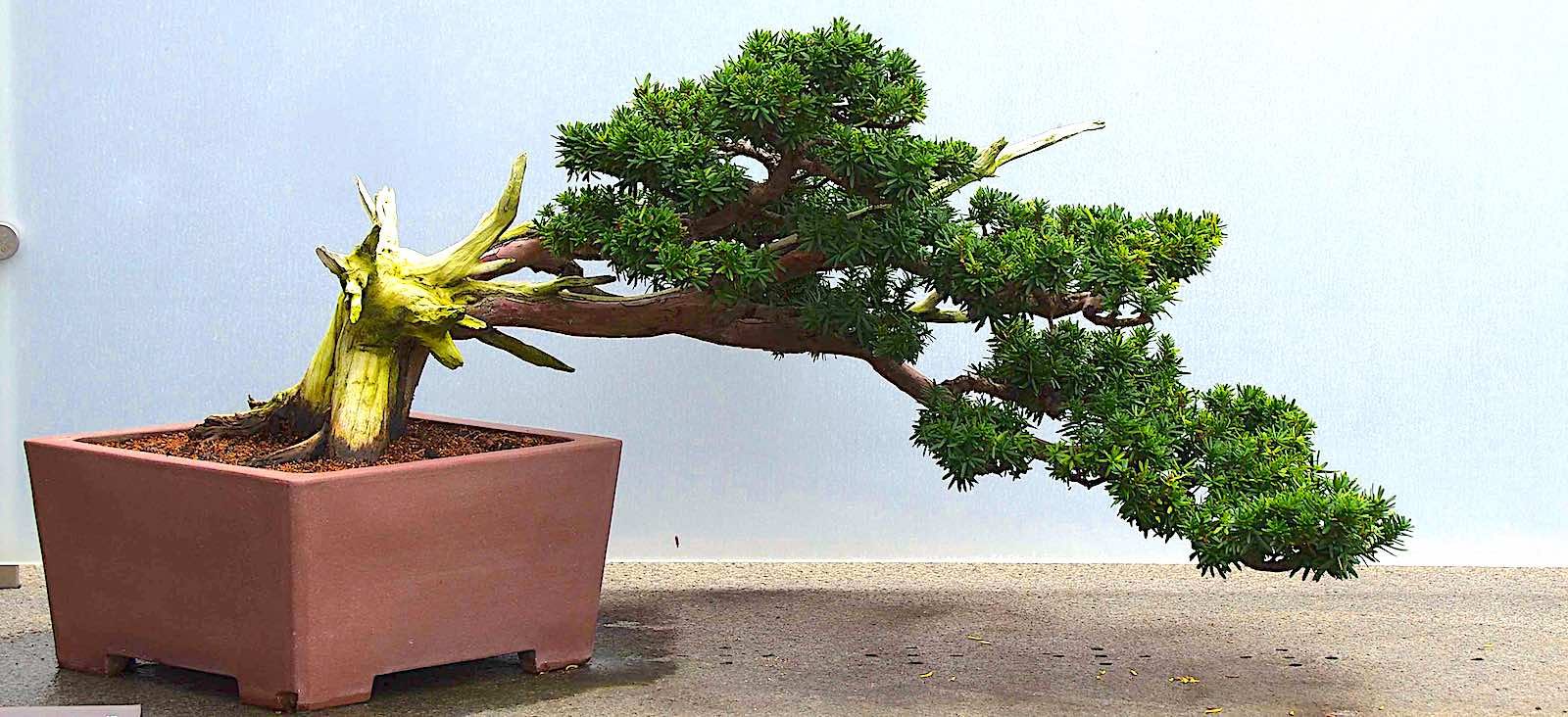
~cascades are planted so that the long descending tree of the downward cascade, is usually planted over a corner ~ meaning, seen across the diagonal.
semi-cascade; cascade bonsai are a form that has 2 trees in 1 form, one tree upwards, and one primary tree downwards, ~ the reason is that this happens in nature, and provides a controllable actionable foliage for pruning to control care
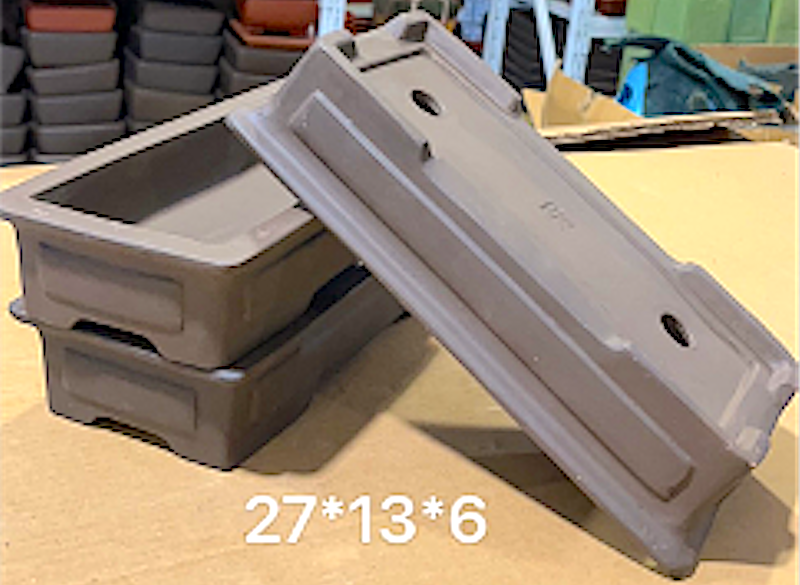
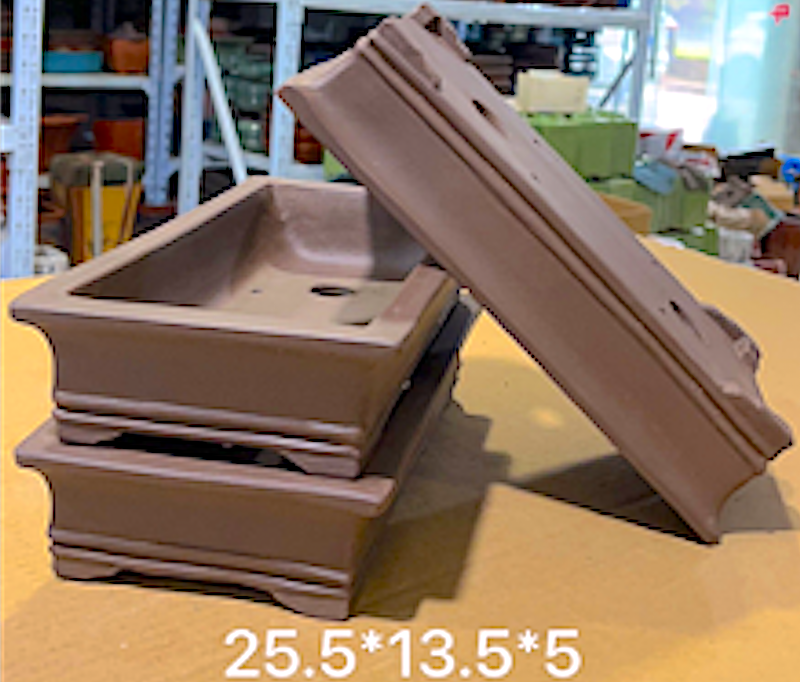
~ the middle sizes for the single tree that is unglazed, for cooler mycorrhizal root growth have been difficult to find -- a strong base with stabilizing lines running horizontally
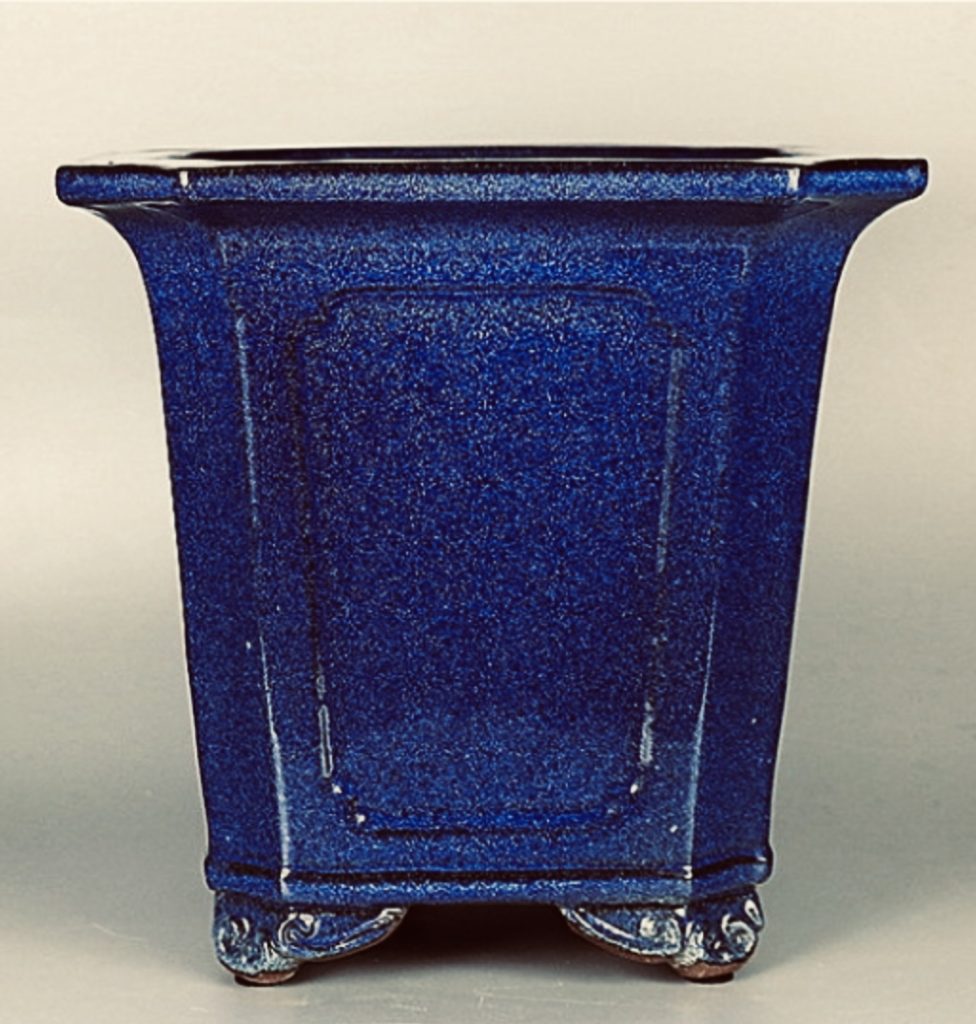
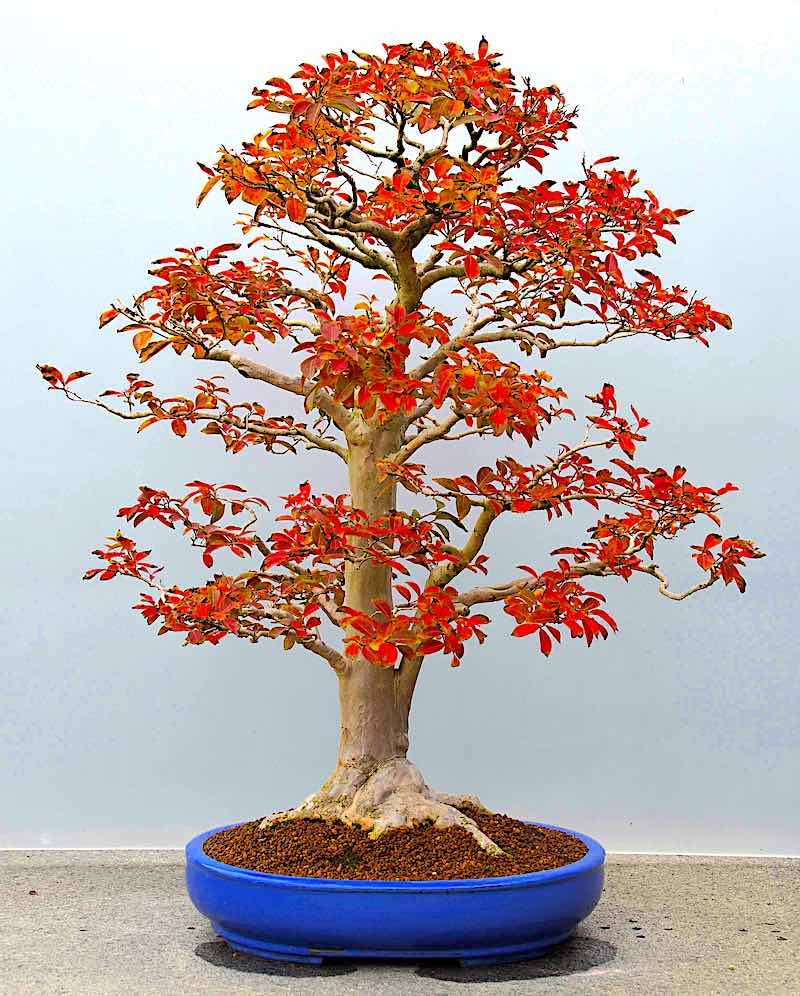
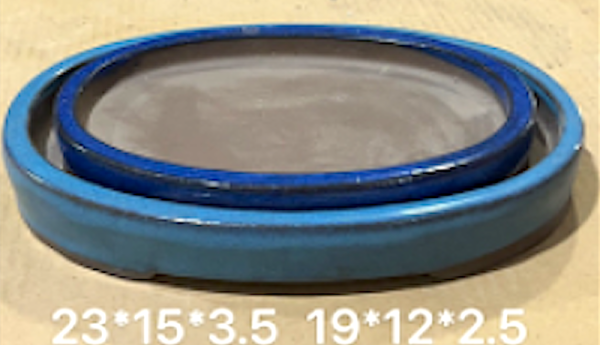
Glazes provide a beauty of contract, beauty of harmony, or beauty of feature, as well as complementing the lines of the tree form.
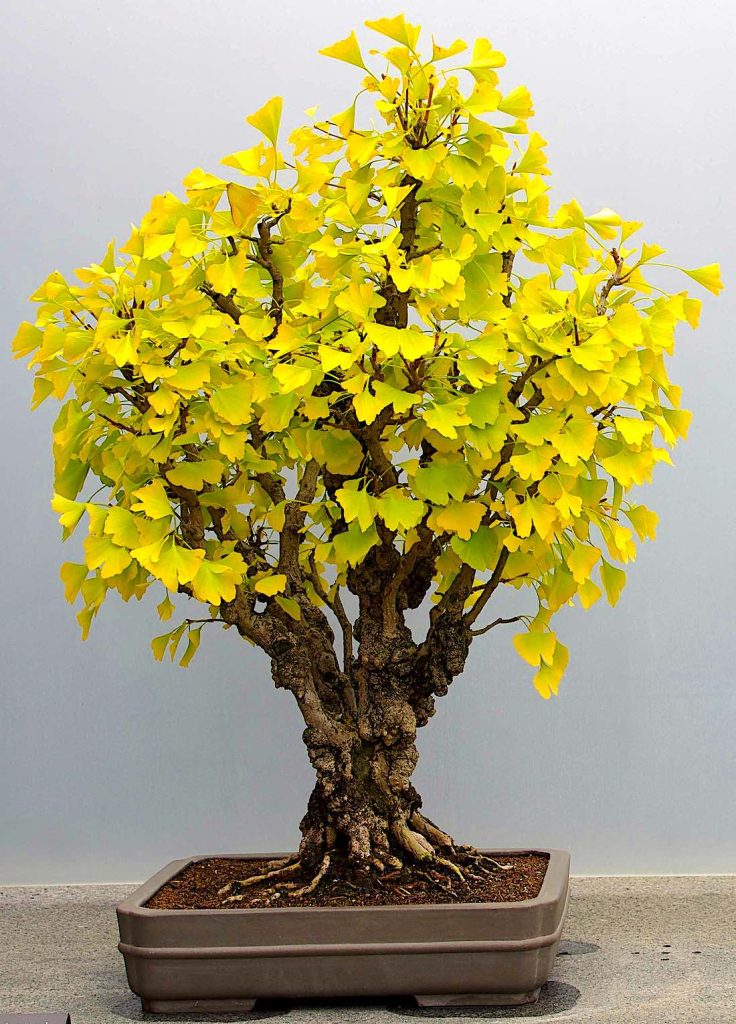
General guideline: The width of the trunk is equal to the depth of the container and the length of the container is 1/2 to 2/3’rds of the height of the tree
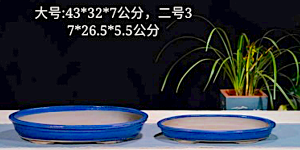
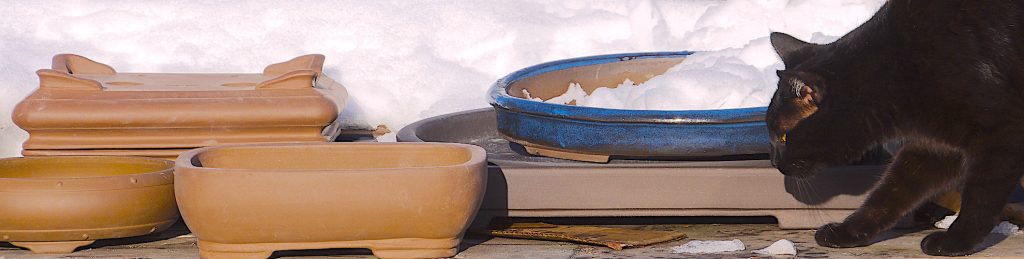
~ note this model is a suiban, illustrates blue glazes to suit beauty of contrast -holes can always be drilled with with diamond bits and appropriate preparation
Stay Connected,
get in touch, find solutions ~
Pots are being unpacked and will show up as they get inventoried and more photographed and the pages go up